

Who Takes Over When the Caregiver Goes Down?
Read time: 5 minutes
- The risk: Family caregiving often depends on one person. If that caregiver gets sick or burns out, the whole support system collapses overnight.
- The problem: Caregivers tend to neglect their own health because they feel indispensable.
- The solution: Build a backup plan before it’s needed. That means an emergency contact list, documented care routines, designated backup caregivers, and identified professional respite options like myCareBase.
For many families, there is one person who quietly holds everything together.
They schedule appointments, manage medications, prepare meals, coordinate care, and provide emotional support. They are the primary family caregiver – the person everyone relies on.
But what happens when that caregiver gets sick?
It’s a question many families never consider until they’re facing it. And when it happens, the consequences can be immediate and overwhelming.
The Hidden Vulnerability in Family Caregiving
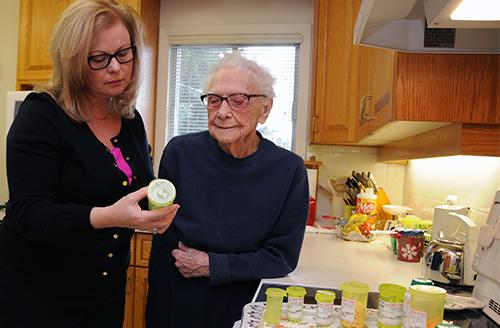
Family caregiving often revolves around a single individual. Whether it’s a spouse caring for their partner, an adult child supporting an aging parent, or a family member helping someone with a chronic condition, the caregiving system can become heavily dependent on one person.
When that caregiver experiences an illness, injury, surgery, burnout, or hospitalization, the entire support structure can be disrupted overnight.
Simple daily tasks suddenly become complicated:
- Medication schedules may be missed.
- Medical appointments may need to be cancelled.
- Personal care routines can be interrupted.
- Household responsibilities may pile up.
- Stress levels rise for everyone involved.
The person receiving care may feel frightened, while the caregiver may struggle with guilt and anxiety about stepping away – even when their own health demands it.
Why Caregivers Often Ignore Their Own Health
Many caregivers postpone doctor visits, skip preventive care, and push through illness because they feel indispensable.
Unfortunately, this mindset can lead to serious consequences.
Research consistently shows that family caregivers experience higher rates of:
- Chronic stress
- Anxiety and depression
- Sleep disturbances
- Physical exhaustion
- Cardiovascular health concerns
The reality is simple: caregivers cannot provide sustainable care if their own health is neglected.
The Ripple Effect on the Entire Family
When the primary caregiver becomes unavailable, family members often scramble to fill the gap.
Adult children may need to take time off work. Siblings may need to coordinate responsibilities from different cities. Friends and neighbors may step in temporarily.
Without a plan, these transitions can create confusion, tension, and emotional strain during an already stressful time.
That’s why caregiving should never be viewed as a one-person responsibility. It works best when it is a shared family effort supported by community resources and professional services when needed.
Building a Backup Care Plan Before You Need One
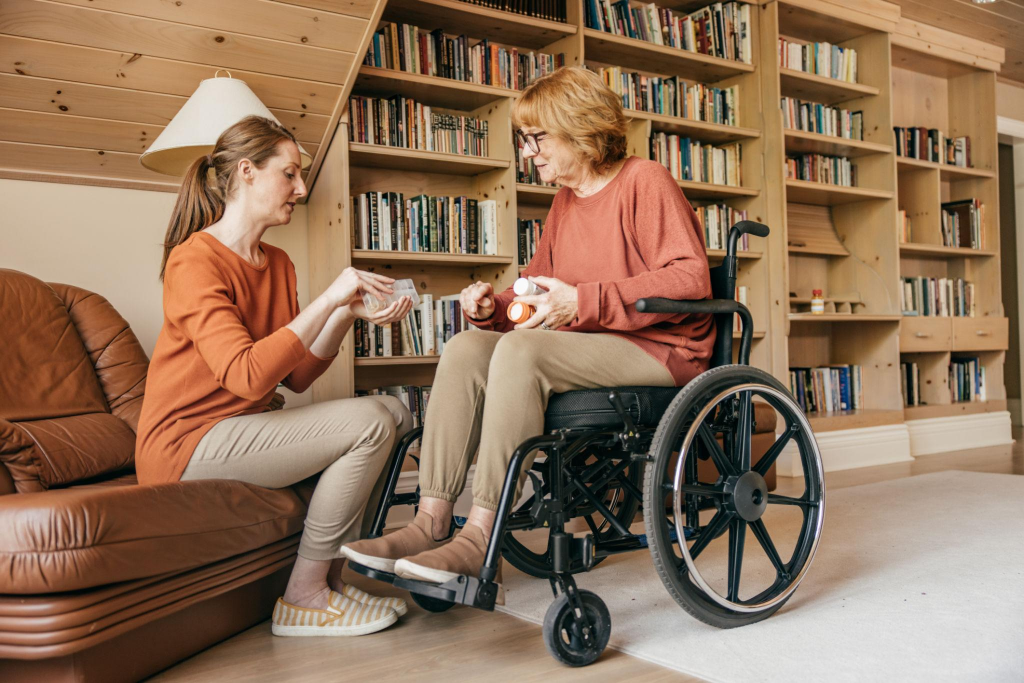
The best time to prepare for a caregiver emergency is before one occurs.
Every caregiving family should consider:
1. Creating an Emergency Contact List
Maintain an up-to-date list of the following people and identify those in the role of power of attorney and healthcare representative:
- Physicians and specialists
- Pharmacies
- Family members
- Friends and neighbors
- Home care providers
2. Documenting Care Routines
Write down:
- Medication schedules
- Dietary requirements
- Allergies
- Mobility needs
- Medical conditions
- Daily routines and preferences
This information helps others step in quickly if necessary.
3. Identifying Backup Caregivers
Determine who can provide support for:
- A few hours
- Several days
- Longer-term recovery periods
Even having one or two designated backup caregivers can significantly reduce stress during an emergency.
4. Exploring Professional Support Options
Home care agencies, respite care programs, and community services can provide temporary assistance when family caregivers need time to recover.
Having these resources identified in advance makes it easier to access help when it’s needed most.
Recovery Is Not Selfish

One of the biggest challenges caregivers face is allowing themselves to rest.
Many feel guilty about stepping back, even when they are sick.
But caring for yourself is not abandoning your loved one. It is protecting your ability to continue supporting them in the future.
Recovery is not a luxury. It is a necessity.
The Takeaway
Every caregiving plan should answer one critical question:
“What happens if the caregiver can’t provide care tomorrow?”
If there is no clear answer, now is the time to create one.
A strong caregiving plan doesn’t depend on a single person—it includes backup support, shared responsibilities, and contingency plans that protect both the caregiver and the person receiving care.
Because sometimes the person who needs care most is the one who has been caring for everyone else.
Need a break?
Caring for a loved one is demanding, and every caregiver deserves support. If you need temporary help due to illness, recovery, travel, or burnout, myCareBase can connect you with pre-screened caregivers and respite care options across Canada. Because taking care of yourself is part of taking care of your loved one.
Comments 1
Pingback: Waiting for Long-Term Care in BC? How to Make Home Care Work