
Chronic Wounds in Caregiving – What to Watch For
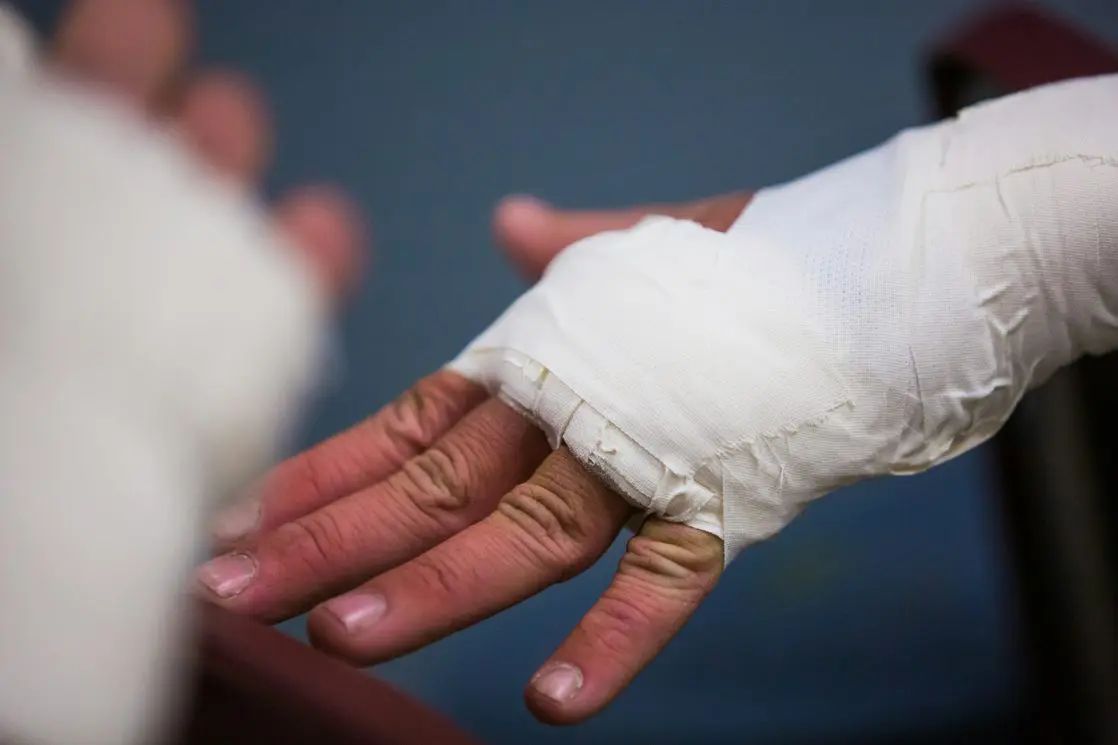
You’re not expected to treat the wound. You’re expected to notice it – daily, consistently, and with enough detail that the people who do treat it can act on what you’ve seen.
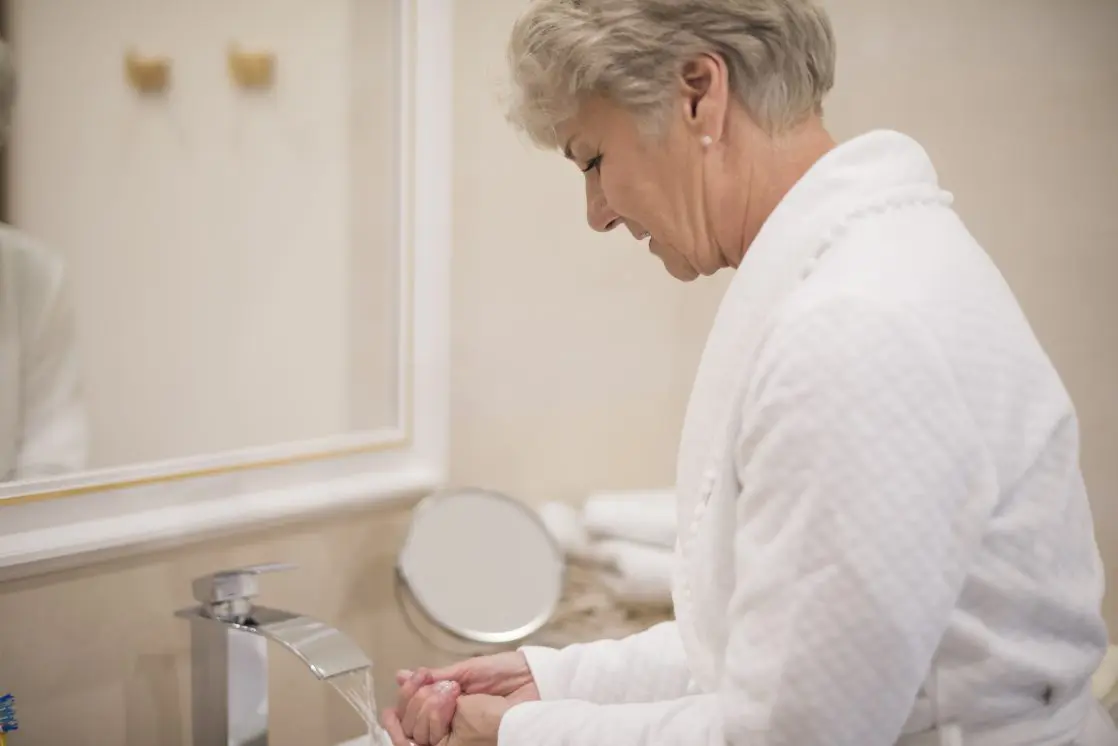
Water safety is a common topic this time of year. But when we talk about water safety in a caregiving context, we’re not usually talking about the pool.
Here’s how to think about water safety when you’re building or reviewing a care plan.
For many families, there is one person who quietly holds everything together.
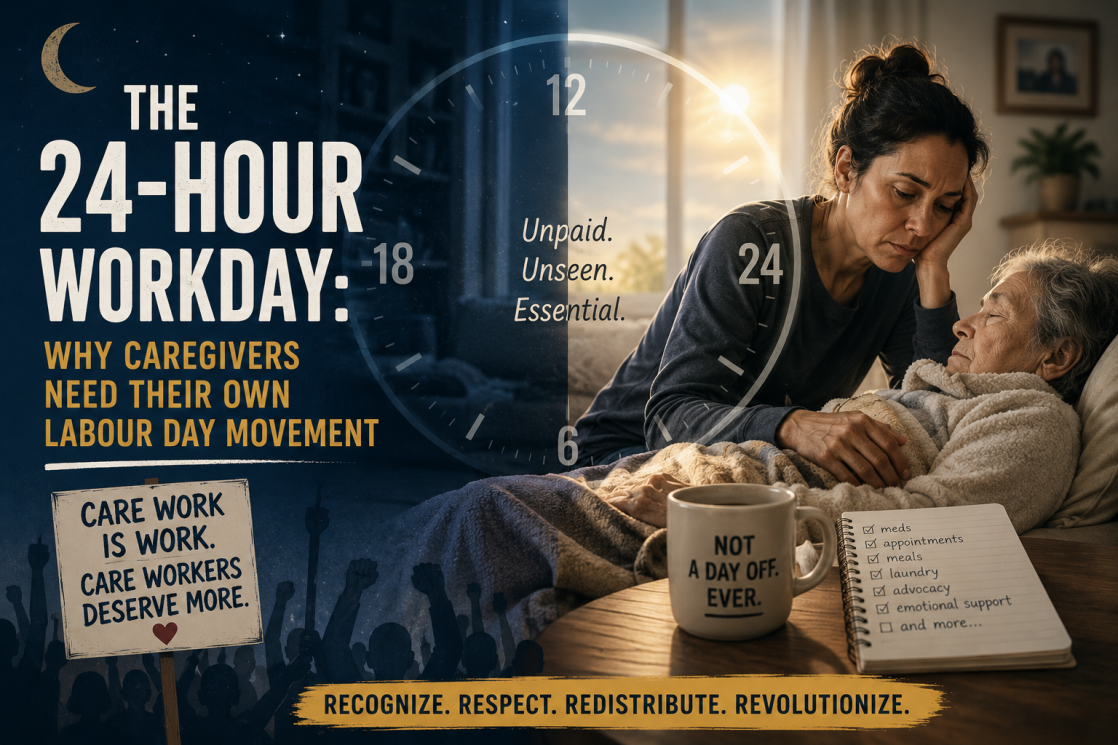
They schedule appointments, manage medications, prepare meals, coordinate care, and provide emotional support. They are the primary family caregiver – the person everyone relies on.
But what happens when that caregiver gets sick?
Check out our 3 wonderful Father’s Day activities that seniors can enjoy with their loved ones. Whether it’s spending quality time outdoors or exploring shared interests, these activities are sure to make the day special.
Cognitive changes, unfamiliarity with devices, sensory limitations, and the disorientation that emergencies bring can all make technology harder to access exactly when it’s needed most.
There’s a particular kind of loneliness that comes with being an only child caring for an aging parent. If this is your reality, you’re not alone in the experience.
Understanding sundowning is your first step toward managing it difficult episodes of sundowning. For exhausted caregivers, that matters enormously.
Spring’s arrival should feel like relief — but for many Canadian seniors, the shift from winter brings unexpected challenges that can affect health, safety, and daily routines. Here’s how to prepare.
Most aging-in-place programs follow a familiar pattern: agencies send staff into buildings, deliver services to seniors, and leave. The NORC Ambassadors program flips this model entirely – putting older adults themselves in charge of creating the communities they need to thrive.
Between managing medications, coordinating appointments, and navigating the emotional weight of watching someone you love decline, caregiving can consume your entire identity.
Where would you find the time or energy to nurture a romantic relationship?
Yet caregivers are human beings with the same needs for connection, romance, and companionship as everyone else. Maintaining a personal life while caregiving isn’t impossible – but it does require strategy, boundaries, and the willingness to ask for help.