
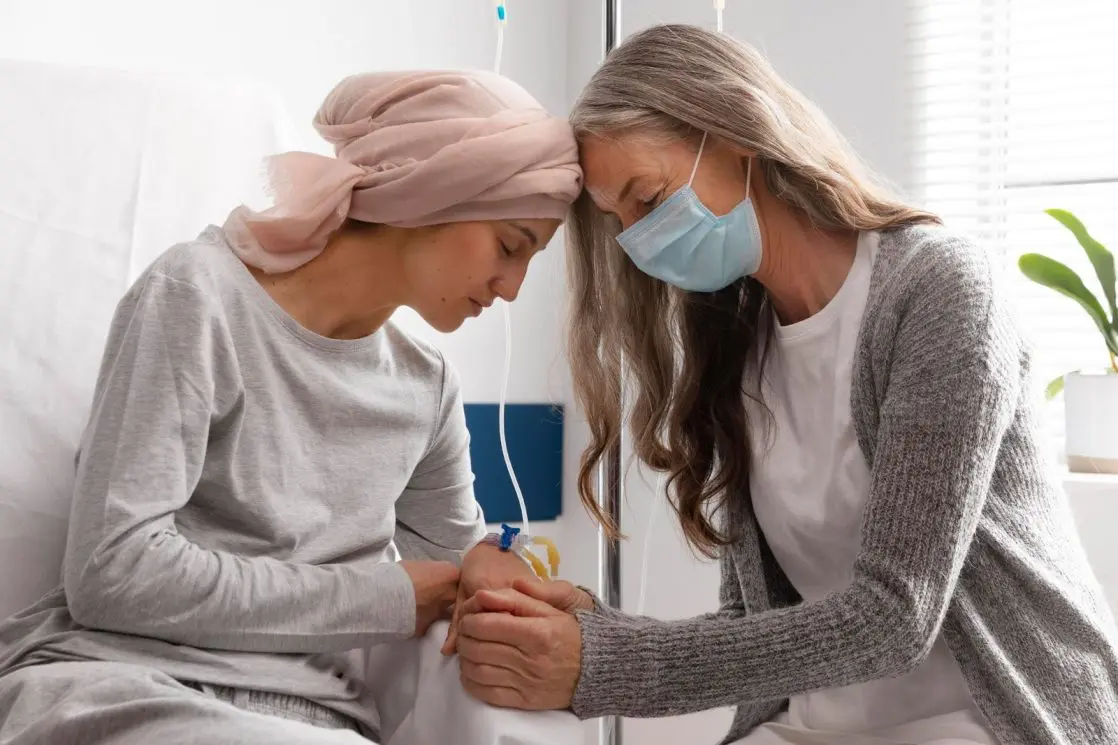
Death Doulas and End-of-Life Planning
Why BC Families Are Hiring Them (And How They Differ From Hospice)
Read time: 4 minutes
When facing a terminal diagnosis, families often feel overwhelmed navigating the medical system while trying to honor their loved one’s wishes for a peaceful death. That’s when many British Columbians are turning to death doulas – a growing profession that’s changing how families approach end-of-life care.
Death doulas, also called end-of-life doulas or death midwives, provide non-medical support to dying individuals and their families. Unlike hospice workers who deliver medical care, doulas focus on emotional, spiritual, and practical guidance throughout the dying process. They help families navigate difficult conversations, create meaningful rituals, and ensure the dying person’s wishes are respected.
The Rise of Death Doulas in BC
British Columbia has seen significant growth in death doula services over the past decade. Since launching in 2017, nearly 3,500 people have graduated from Douglas College’s End-of-Life Doula program, and the End of Life Doula Association of Canada now has nearly 500 members.
This trend reflects a broader cultural shift toward reclaiming death as a natural part of life. Research shows that when surveyed, Canadians generally report they would prefer to die at home, yet approximately 56 percent of Canadians actually die in hospitals. Death doulas help bridge this gap by providing families with the continuous support needed to make home deaths more feasible.
How Death Doulas Differ From Hospice Care
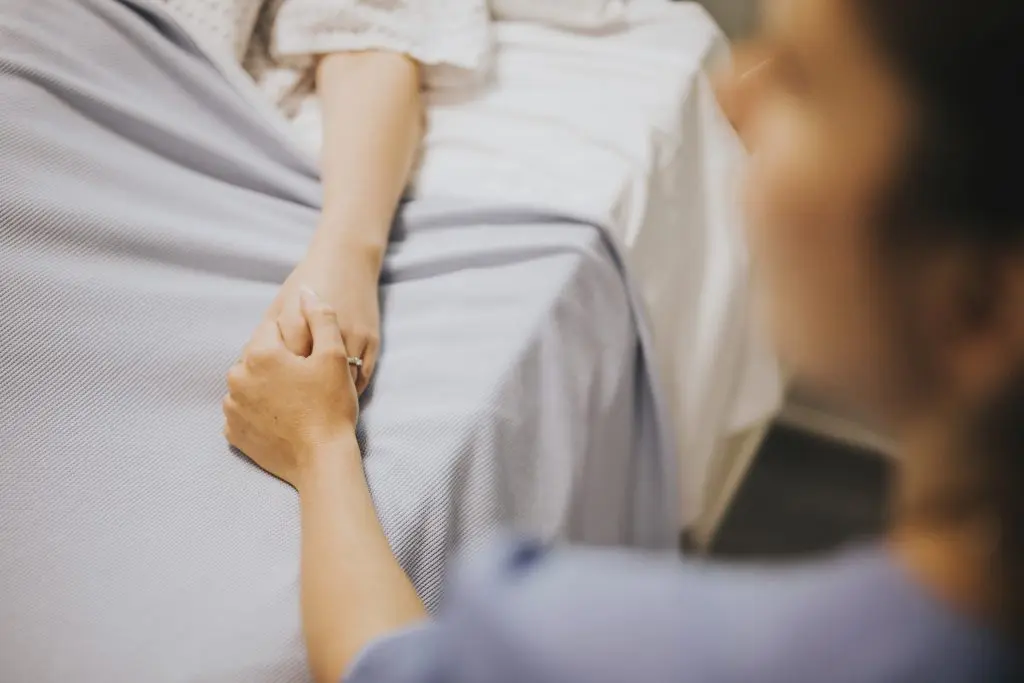
The key difference lies in their roles.
Hospice provides medical care centered on pain management and symptom control, while doulas focus on emotional, spiritual, and psychological support.
Hospice teams include doctors, nurses, and social workers who manage medications, assess pain levels, and provide clinical care. They’re generally reserved for individuals with a limited life expectancy, typically six months or less.
Death doulas complement hospice rather than replace it.
They can begin working with families at any stage of the dying process – whether immediately following a diagnosis or even years before death is imminent. Their services include advance care planning discussions, legacy projects such as writing letters or recording memories, vigil planning and bedside support during final days, family mediation around end-of-life decisions, and bereavement support after death.
Many BC families use both services simultaneously, finding that the combination provides comprehensive care. While hospice visits may occur a few times weekly to address medical needs, doulas can provide continuous presence and around-the-clock support when needed.
What BC Families Should Know
Death doula services in BC are not covered by provincial health insurance or extended benefits, despite advocates calling for MSP coverage. One goal of the End of Life Doula Association of Canada is to achieve funding so everyone has equal access to quality end-of-life care.
Costs typically range from $45 to $100 per hour, though prices depend on many factors including location and duration of service. Many doulas offer flat-rate packages, sliding-scale fees, or occasional pro bono work to make their services more accessible.
While BC has no mandatory certification for death doulas, quality training programs are available. Douglas College offers a comprehensive 32-hour End-of-Life Doula program covering communication skills, grief support, cultural practices, and legal aspects of end-of-life care. The End of Life Doula Association of Canada provides professional standards, requiring members to complete recognized training programs, maintain current criminal record checks, and follow a code of ethics.
When choosing a doula, families should ask about their training background and experience, philosophy around death and dying, whether they work collaboratively with medical teams, and their availability during the active dying phase.
As our population ages and more people seek meaningful deaths aligned with their values, death doulas represent an important resource for BC families. They remind us that how we die matters – and that families don’t have to navigate this profound transition alone.