Seniors Helping Seniors: The Neighbor-Led Model That’s Transforming Aging in Place
Read time: 4 minutes
Most aging-in-place programs follow a familiar pattern: agencies send staff into buildings, deliver services to seniors, and leave. The NORC Ambassadors program flips this model entirely – putting older adults themselves in charge of creating the communities they need to thrive.
Since 2015, University Health Network’s OpenLab has been working with seniors in Toronto high-rise buildings to prove a simple but powerful idea: when you give older adults the tools to organize their own communities, they build something far more sustainable than any top-down program could achieve.
The results? Sixteen Ambassador buildings across Toronto where neighbors are helping neighbors stay healthy, connected, and aging in place on their own terms.
At myCareBase, we’ve spent years connecting families with caregiving support and resources. We know that sustainable aging in place requires more than just professional care – it requires community. That’s why we’re highlighting the NORC Ambassadors model: it represents the kind of innovative, peer-led approach that complements professional caregiving and creates the social infrastructure seniors actually need.
What Makes the Ambassador Model Different
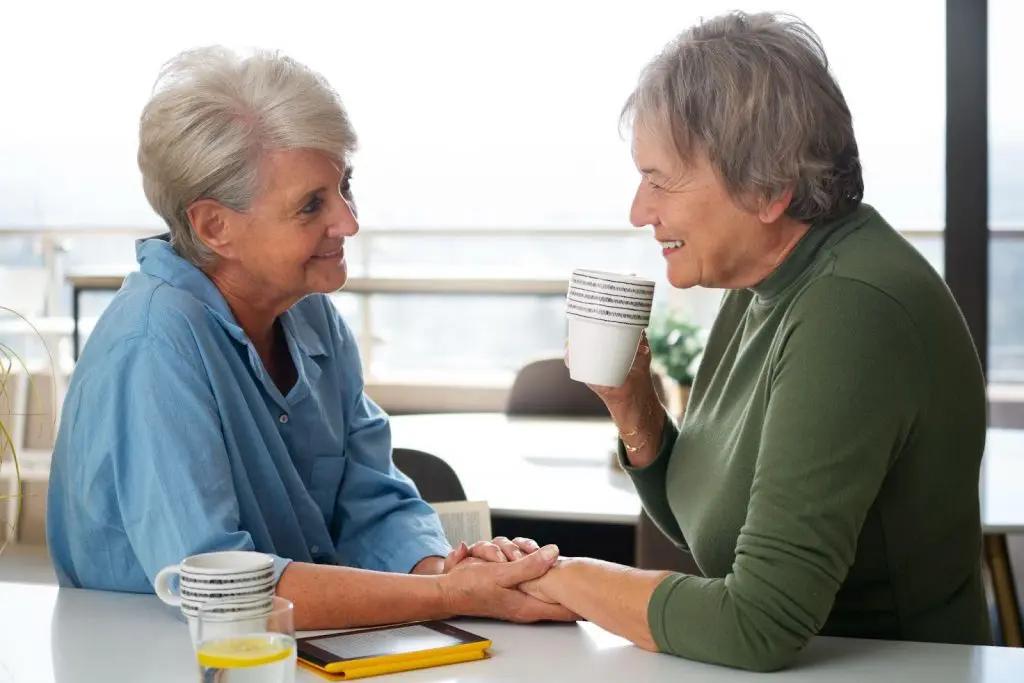
Naturally occurring retirement communities, or NORC, operates on mutual support. Senior residents form aging-in-place groups, plan their own activities, and facilitate connections between neighbors.
What that looks like in practice:
A group of residents starts monthly potluck dinners. They organize it themselves, promote it to neighbors, create a rotating schedule.
Another building starts a daily 9 AM walking group in the lobby. Participants notice when someone’s missing and check in on them. They’ve created an informal wellness check system that costs nothing but provides invaluable peace of mind.
This peer-driven approach doesn’t replace professional caregiving services – it enhances them. When seniors have strong neighbor networks, they’re better positioned to age in place successfully, even when they need additional support from professional caregivers.
Why Peer-Led Support Works Better
Research shows NORC-based programs have distinct advantages:
Trust and dignity: When your neighbor invites you to an activity, there’s no stigma, no feeling of being “serviced,” and no power imbalance.
Accessibility: These programs serve more ethnically diverse populations and those with lower income because services are free or low-cost and don’t require home ownership.
Real impact: Studies show NORC programs improve health outcomes, delay long-term care admission, build relationships, increase self-efficacy, reduce isolation, and create genuine community.
In the 2021 evaluation, 100% of participants wanted to continue organizing aging-in-place activities. That signals something fundamentally different is happening.
The Reality: It’s Not All Easy
Seventy-five percent of Ambassador participants reported difficulty improving building-wide engagement. The program doesn’t hide from this.
Common challenges:
- Reaching isolated seniors who most need connection
- Getting beyond the “usual suspects” who attend everything
- Sustaining momentum when organizers face health setbacks
- Cultural and language barriers in diverse buildings
- Physical accessibility for residents with varying mobility
The difference? Ambassador buildings work through challenges collectively rather than waiting for agencies to solve them. Residents develop creative solutions like multilingual flyers, door-knocking campaigns, and elevator ambassadors who personally invite neighbors.
What Residents Actually Create
Ambassador buildings launch diverse initiatives:
- Weekly coffee socials in common spaces
- Skills-sharing workshops (technology help, cooking, crafts)
- Health activities (gentle exercise, nutrition education)
- Practical support networks (grocery buddies, appointment companions)
- Social events (movie nights, holiday celebrations)
- Information sessions (community resources, healthcare navigation)
The content varies by building because each community defines its own priorities.
What This Means for Family Caregivers
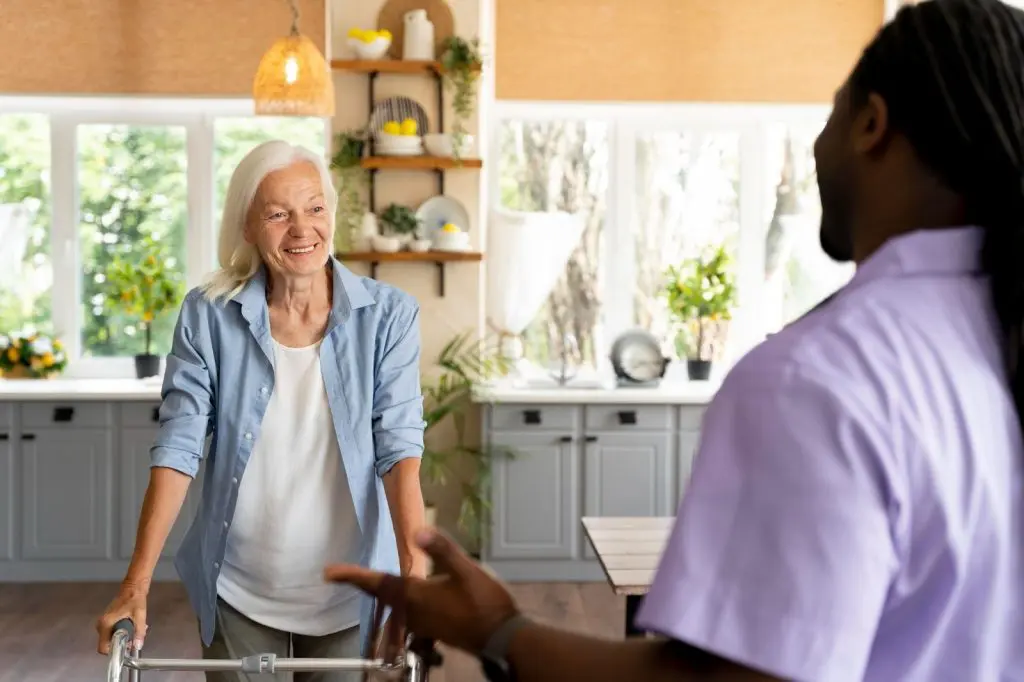
If your parent lives in an apartment or condo building with other seniors, the Ambassador model offers practical community support that doesn’t depend on you coordinating everything.
This is where peer support and professional caregiving can work together beautifully.
While neighbor networks handle social connection and light assistance, professional caregivers through services like myCareBase can provide the specialized support that requires training and expertise – personal care, medication management, mobility assistance, and medical appointment coordination.
How to support these initiatives:
Encourage participation: Mention activities you’ve heard about. Ask if they’ve met neighbors lately. Plant seeds without forcing.
Offer logistical help: Your loved one might want to attend but needs help getting to the common room or preparing a dish. Small assists make participation possible.
Connect with organizers: Introduce yourself to residents who are leading the activities. Let them know your loved one might benefit from personal invitations.
Recognize peer support value: A neighbor checking in holds different weight than family doing the same. It expands the circle of support without replacing your care.
Balance informal and formal support: Use myCareBase to find professional caregivers for tasks requiring expertise, while encouraging participation in neighbor-led activities for social connection.
Start This Anywhere
You don’t need a formal Ambassador building to use this approach.
The NORC Ambassadors website (norcambassadors.ca) offers a free Do It Yourself guide with step-by-step instructions for any community.
Basic steps:
- Find 3-5 interested neighbors
- Identify building resources (common rooms, bulletin boards)
- Start small (weekly coffee, monthly potluck)
- Build relationships first, programming second
- Grow organically based on participant suggestions
- Create visible presence in common spaces
- Use multiple invitation methods
Monthly NORC Talks gatherings are open to anyone interested in creating aging-in-place communities. These sessions provide peer learning and practical tools.
What Success Actually Looks Like

Success isn’t measured by attendance numbers. It’s measured by whether residents feel they belong to a community that supports them.
In evaluations, 78% of participants reported improved awareness of aging-in-place issues. But more importantly, they reported feeling less alone. They knew neighbors, had people to call, had reasons to leave their apartments and places that welcomed them.
That’s what makes aging in place actually possible – not perfect health or endless resources, but a community that knows you and watches out for you, plus access to professional support when you need it.
Getting Started
If your loved one lives in a building with other seniors:
- Visit norcambassadors.ca for the DIY guide and Idea Bank
- Join NORC Talks mailing list for monthly gatherings
- Connect with the online Community Forum
- Encourage your loved one to talk to neighbors about simple activities
- Explore myCareBase.com for professional caregiving support that complements community initiatives
The same principles apply in neighborhoods with senior density, faith communities, or community centers.
Aging in place doesn’t have to mean aging alone. When neighbors help neighbors AND families have access to professional caregiving support, everyone gains what they need to thrive.