

Wheelchairs for Seniors – What to look for
Read time: 8 minutes
- Q: What type of wheelchair is best for a senior?
- A: It depends on the person’s strength, endurance, and cognitive ability. Manual chairs suit seniors who can self-propel, transport chairs are caregiver-pushed for occasional outings, power wheelchairs offer independence for those with limited dexterity, and bariatric chairs support higher weight capacities.
- Q: How do I know if a wheelchair fits properly?
- A: Seat width should leave about an inch of clearance per side, feet should rest flat with knees level to the hips, and armrests should let shoulders relax. A proper fit should be confirmed by an OT or medical supply store, since a poor fit can cause pressure sores and reduce independence.
- Q: What should I look for based on where and when it’ll be used?
- A: Indoor use needs a narrow turning radius for hallways and doorways; outdoor use needs larger, more durable wheels. In Canada, add winter-ready tires and weatherproof cushions, breathable seating for summer, and reassess as needs change or seasons shift.
Choosing a wheelchair for a senior can feel overwhelming – the options range from simple transport chairs to highly customized power wheelchairs, and the right choice depends entirely on the older adult who will use it. Whether you’re helping an aging parent regain independence after a fall, supporting a loved one with a progressive condition like Parkinson’s or dementia, or planning ahead for future mobility needs, understanding the basics before you shop can save you money, frustration, and help you avoid choosing a chair that doesn’t actually fit your elder’s life.
Here’s what you need to know before you buy or rent a wheelchair for a senior.
Step 1: Understand the Main Types of Wheelchairs for Elderly Users
Not all wheelchairs are built for the same purpose, and seniors’ needs often differ from those of younger users – think reduced grip strength, balance concerns, or cognitive changes. Picking the wrong category is one of the most common (and costly) mistakes families make.
Manual (Self-Propelled) Wheelchairs

Designed for seniors who have enough upper body strength and coordination to push the wheels themselves. These are lightweight, generally more affordable, and easy to transport, but they require sustained physical effort – something to weigh carefully for elderly users with arthritis, limited arm strength, or reduced endurance.
Transport (Companion) Wheelchairs

Built to be pushed by a caregiver rather than self-propelled. They typically have smaller rear wheels and are lighter and more compact for outings and travel. This is a popular choice for seniors who mainly need help getting to appointments or family events, rather than full-time mobility support.
Power (Electric) Wheelchairs

Battery-operated chairs controlled by a joystick or alternative input device, ideal for seniors with limited strength, endurance, or dexterity who want to maintain independence around the home or community. They offer the most autonomy but come with a higher price tag, more weight, and a need for regular charging and maintenance – worth considering alongside the senior’s cognitive ability to operate the controls safely.
Bariatric Wheelchairs
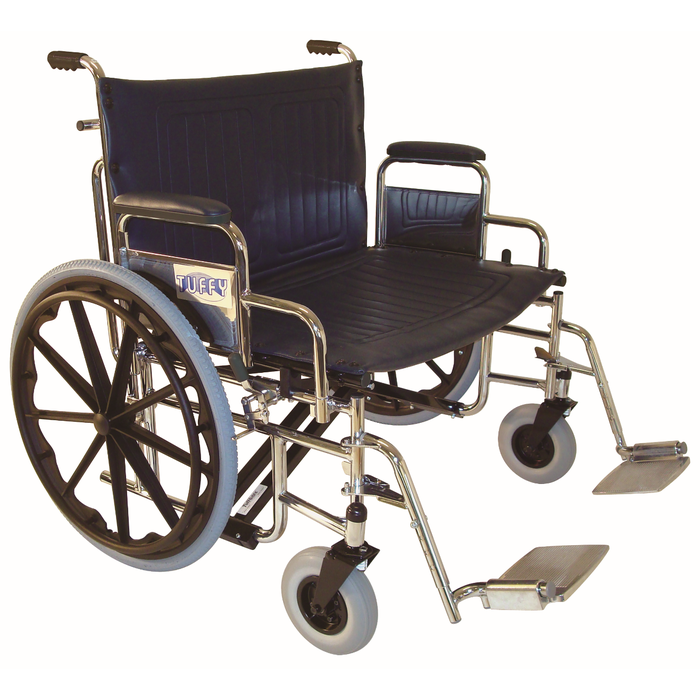
Reinforced frames and wider seats designed to support higher weight capacities safely and comfortably, for seniors who need additional structural support beyond a standard chair’s weight limit.
Rollators and Transitional Mobility Aids

For seniors who don’t yet need a wheelchair full-time but struggle with balance or endurance, a rollator (wheeled walker with a seat) can be a helpful in-between step. This might be worth discussing with a healthcare provider before jumping straight to a wheelchair.
Step 2: Get the Fit Right
A wheelchair that doesn’t fit properly can cause pressure sores, poor posture, back and shoulder pain, and even reduce independence rather than support it – a real concern for elderly skin, which is often thinner and more prone to breakdown.
Key measurements to get right:
- Seat width: Should allow about an inch of clearance on each side – too tight causes pressure points, too wide makes the chair harder to propel and less stable.
- Seat depth: The seat should support most of the thigh length without pressing into the back of the knee.
- Seat height: Feet should rest flat on the footrests or floor, with knees roughly level with or slightly lower than the hips.
- Back height: Depends on the level of trunk support needed – lower backs allow more freedom of movement for active seniors, while higher backs offer more support for those with limited trunk control or spinal changes related to osteoporosis.
- Armrest height: Should let the shoulders relax naturally, without hunching or reaching.
A proper fitting is best done in person – through a home care provider, medical supply store, or occupational therapist – rather than guessed from measurements alone.
Step 3: Think About Where and How It Will Be Used

The right wheelchair for a senior depends heavily on the environment it needs to move through:
- Indoor and aging-in-place use: Look for a narrower turning radius to navigate hallways, doorways, and bathrooms in an older adult’s home. Measure doorway widths before purchasing.
- Outdoor use: Larger, more durable wheels handle uneven surfaces, grass, and gravel better than small indoor casters – helpful for seniors who still enjoy getting outside to the garden or a nearby park.
- Travel and transport: Folding frames and lighter materials (aluminum vs. steel) make loading into a vehicle trunk far easier for family caregivers.
- Daily duration of use: A senior who will sit in the chair for many hours a day needs a more supportive, pressure-relieving cushion and backrest than someone using it occasionally for outings.
Step 4: Prioritize Comfort and Pressure Relief
For elderly users spending extended time seated, cushioning is an absolute health necessity. Poor cushioning can lead to pressure ulcers, particularly for seniors with limited mobility, thinner skin, or reduced sensation.
- Foam cushions offer basic comfort and are the most affordable option.
- Gel cushions provide better pressure distribution and stay cooler for extended sitting.
- Air (ROHO-style) cushions offer the highest level of pressure redistribution, often recommended for seniors at higher risk of skin breakdown.
The cushion should be evaluated alongside the chair itself.
Step 5: Consider Cognitive and Safety Factors
For seniors living with dementia or cognitive decline, additional considerations come into play:
- Anti-tip devices and locking brakes reduce fall risk for seniors who may forget to engage the brakes themselves.
- Seatbelts or postural supports can help seniors who lean, slide, or have reduced trunk control stay safely positioned.
- Simplicity of controls matters for power wheelchairs – a joystick that’s too sensitive or complex can be unsafe for a senior with cognitive changes.
- Supervision needs should factor into whether a manual, transport, or power chair is the safest fit, in consultation with the senior’s care team.
Step 6: Consider Ease of Use for Family Caregivers Too
If a family caregiver will be pushing, folding, lifting, or transferring the chair regularly, the physical demands on the caregiver matter as much as the comfort of the senior using it.
- Weight of the chair: Lighter frames reduce strain when loading into a car or navigating stairs.
- Folding mechanism: One-hand folding designs save time and effort for solo caregivers.
- Brakes: Should be easy to engage and release, especially for caregivers with their own strength or dexterity limitations.
- Transfer ease: Removable or swing-away armrests and footrests make transfers from bed, couch, or car safer and smoother for everyone involved.
Step 7: Factor in Cost and Funding Options
Wheelchairs range widely in price – from a few hundred dollars for a basic manual chair to several thousand for a customized power wheelchair. Before purchasing for a senior:
- Check whether the senior’s provincial health plan, private insurance, or a veterans’ program covers part of the cost.
- Ask about equipment loan programs through local health authorities, the Red Cross, or community health centres. These can be especially helpful for short-term or trial use.
- Consider renting before buying if the senior’s mobility need may be temporary (recovering from surgery, for example) or is likely to change as a condition progresses.
Step 8: Reassess Regularly
Mobility needs change – sometimes gradually, sometimes suddenly, especially for elderly users managing a progressive condition. A wheelchair that fits well today may not be right in six months. Building in regular check-ins (with a physiotherapist, occupational therapist, or home care team) helps catch fit and function issues before they become safety concerns.
A Special Note: Seasonal Considerations

Canadian weather adds a layer families often overlook when choosing a wheelchair for a senior:
- Winter: Snow, ice, and slush call for wider, more durable tires with better traction – standard indoor casters can get stuck or slip on wet pavement. Also consider a weatherproof or water-resistant seat cushion, and check that the chair’s frame won’t corrode from road salt.
- Rain and wet seasons: A waterproof seat cover and rain poncho attachment can keep a senior dry during transport to appointments, and non-slip handgrips help caregivers keep control on wet ramps or sidewalks.
- Summer heat: Gel or breathable mesh seating stays cooler than foam or vinyl for seniors sitting outdoors for extended periods, and a sun canopy or umbrella attachment can reduce heat and glare exposure.
- Icy or uneven walkways year-round: If a senior will be moving between indoor and outdoor spaces often (e.g., in and out of a car, up a driveway), look for wheels rated for mixed terrain rather than smooth indoor-only casters.
It’s worth revisiting the chair’s setup each season – what works well indoors in the summer may need adjustments before the first snowfall.
The Bottom Line
The best wheelchair for a senior is the one that matches the elder’s strength, environment, cognitive needs, and daily routine, while also being manageable for the family caregivers supporting them. Taking the time to assess fit, use case, and long-term needs up front leads to better outcomes, more independence, and fewer costly do-overs down the road.
If you’re navigating a mobility equipment decision for an aging parent or loved one, myCareBase can help connect you with caregivers experienced in mobility support and daily living assistance, so the right equipment is backed by the right care.