

Why Do People With Dementia Say Hurtful Things?
Read time: 13 minutes
Key takeaways
- Hurtful words are usually a symptom of brain changes, not a verdict on you.¹ ²
- They most often appear in the middle stage, though some types, like frontotemporal dementia, can change personality early. Not everyone develops them.¹ ¹⁰ ¹¹ ¹⁴
- Respond without arguing: check for pain or unmet needs, answer the feeling, and step away if you need to. Sudden changes or escalating behaviour are worth raising with the doctor.³ ⁶
Your mother has always been gentle. Today, as you help her with her coat, she snaps that she doesn’t need help, she doesn’t like you, she wants you out of her house. You drive home shaking, replaying every word.
Families all over the world hear versions of this, and it is far more often the disease than the person, and it is important to note thatthere are practical things you can do in the moment and afterwards.
Why do people with dementia say hurtful things?
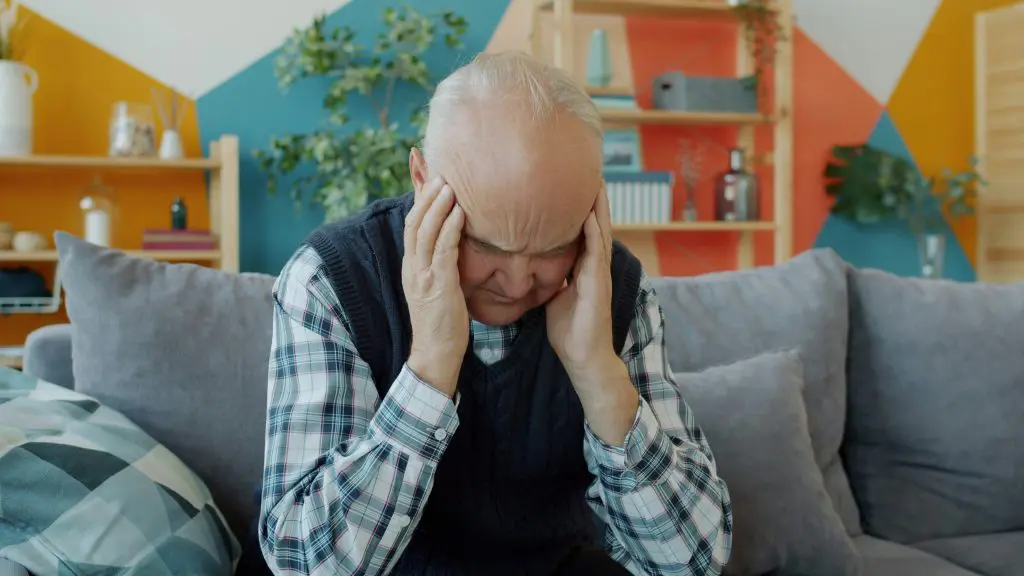
There is rarely one cause. Several things tend to overlap.
The brain is changing. Personality shifts and behaviours that look “mean” often have more to do with neurodegenerative changes than with the person’s true feelings.¹ Areas of the brain involved in judgment, impulse control and emotional regulation are affected, so thoughts that would once have been held back are now said out loud. People with mild to moderate Alzheimer’s disease, for example, often become more impatient and less filtered, and may make comments or accusations that feel completely out of character.² One 2021 study suggests that as many as 90% of people with Alzheimer’s experience behavioural changes such as agitation and irritability, though not everyone shows so-called mean behaviours.² ¹
The words are harder to find. When a person can no longer say “I’m upset because you rushed me,” what comes out can be a blunt insult instead.¹³ Frustration has to go somewhere, and the vocabulary available may be limited.
Something may be wrong. Pain, an infection, a medication change, hunger, tiredness, boredom, loneliness, constipation, and hearing or vision loss can all make a person lash out. The UCSF Memory and Aging Center recommends considering a medical evaluation, because sudden changes can signal an infection, pain or a medication side effect rather than the dementia itself.³
The world feels frightening. Someone who no longer recognizes a familiar person or place may be confused or scared by your company, and paranoia can be common.¹⁰ Fear often looks like anger.
Long-standing personality can play a part. The type of person someone was before dementia may influence which mood and behaviour symptoms they develop.⁹
None of this means the feelings are invented. The person may genuinely feel afraid, frustrated or hurt in that moment. What dementia changes is the filter, the judgment and the ability to explain. That is why the most effective response is usually to address the feeling underneath, rather than defend yourself against the words.
“What dementia changes is the filter, the judgment and the ability to explain.”
What stage does it tend to appear?
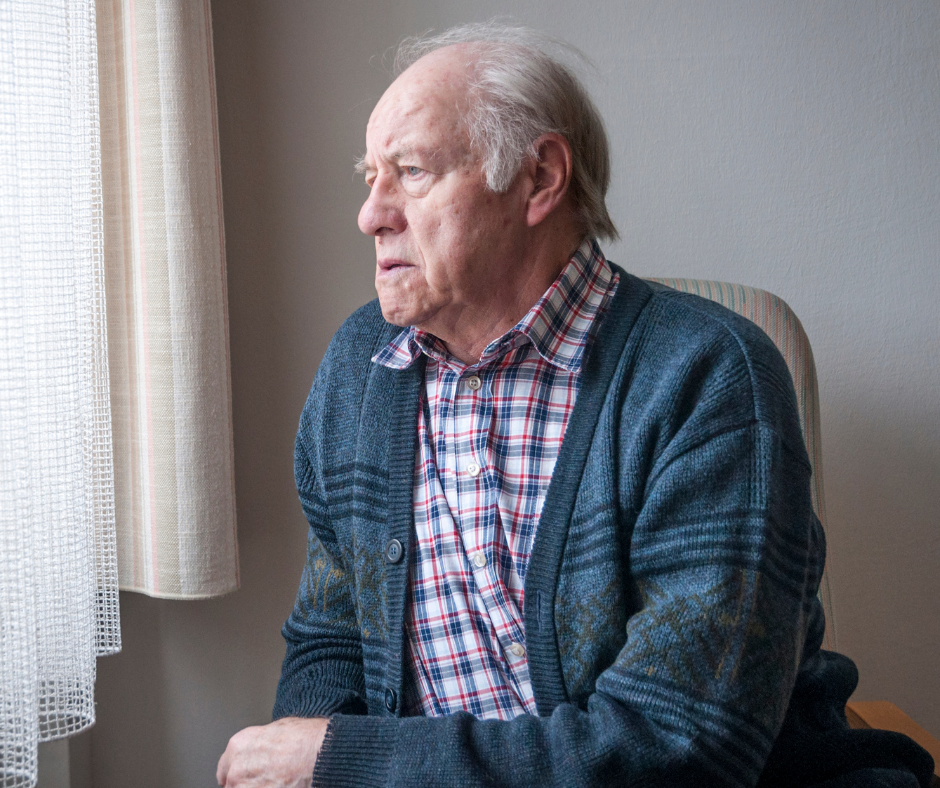
There is no fixed timetable, but a pattern is common. Anger and aggression most often emerge in the middle stage of dementia, when changes in the frontal areas of the brain weaken impulse control and language loss makes needs harder to express. Irritability can begin earlier and carry on into later stages.¹⁰ ¹¹ Some forms of dementia follow a different path: frontotemporal dementia can cause personality changes early, such as saying inappropriate things or losing empathy.¹⁴
| Stage | What families often notice |
| Early | Apathy, increased anxiety, moments of unexplained sadness, and more impatience than usual² |
| Middle | Fewer filters, hurtful comments, accusations, irritability and agitation. Daily care tasks such as bathing and dressing can be flashpoints¹ ² ¹² |
| Late | Words become fewer, so distress is more often shown through sounds, facial expression or restlessness than through hurtful sentences |
Treat these as signposts, not predictions. Some people never develop hurtful behaviours, and some have them early and then move past them. If the behaviour is new, sudden or a sharp change from the person’s normal, check for a medical cause before assuming it is the next stage.³
What sits behind the words
Hurtful comments usually have a trigger, even when it is not obvious. Working out the likely cause is often the fastest way to reduce how often they happen.³
| What you might hear | What may be behind it | What to try first |
| “Who are you? Get out of my house!” | Not recognizing you or the place, and feeling frightened¹⁰ | Stay calm, say your name and relationship simply, and give some space |
| “You stole my purse!” | A memory gap filled by an older memory, and real distress at losing something¹⁷ | Look for it together instead of defending yourself |
| “Leave me alone, you’re hurting me” during bathing or dressing | Pain, cold, embarrassment, rushing, or not understanding what is happening¹ ¹² | Slow down, warm the room, explain each step and check for pain |
| Sudden new nastiness over a few days | An infection, pain, a medication change or another medical cause³ | Call the doctor before assuming it is the dementia |
| Insults when nothing obvious has gone wrong | Hunger, tiredness, boredom, loneliness, constipation, or hearing and vision problems³ | Check the basics, then adjust the routine and environment |
| Accusations alongside seeing things that are not there | Hallucinations and paranoia, which can fuel anger¹⁶ | Reassure rather than argue, and mention it to the doctor |
How to respond in the moment

- Pause and settle yourself. Take a breath and keep your voice low and your body relaxed. Your tone and body language carry more of the message than your words.⁵
- Don’t take it personally, and don’t argue. Reasoning, correcting, confronting and reminding someone that they have forgotten rarely work, and they tend to escalate things.⁶ ³
- Respond to the feeling. “That sounds scary” or “You’re worried about your things” acknowledges the emotion without agreeing with a false claim. Follow it with a short reassurance such as “I’ll make sure it’s sorted.”⁶
- Look for the cause. Ask yourself what might be going on: pain, hunger, thirst, tiredness, noise, missing glasses or hearing aids, a recent medication change, or a task that felt rushed.³
- Change the moment. A change of scene, a snack or a simple shared task, such as folding towels together, can shift the mood. Going along with what they are saying and keeping things light can also help them feel at ease instead of foolish or belittled.⁶ ⁸
- Step away if you need to. If you feel yourself escalating, or you do not feel safe, make sure the person is safe, leave the room for a few minutes and come back calm. A fresh attempt later usually works better than pushing on.
- Follow up afterwards. Jot down what happened, the time of day and what came just before. Patterns often point to triggers you can change, and your notes will help the doctor.³
If it happens in public, a small card that quietly explains the person has dementia can help. Most people respond with compassion once they understand.⁴
What to avoid saying, and what to say instead
Small changes in wording take the pressure off and keep a bad moment from becoming a worse one.⁶ ⁷
| Instead of | Try | Why |
| “Don’t speak to me like that!” | “You sound really upset. What’s wrong?” | Asking about the feeling can reach the need. Correcting manners usually can’t⁶ |
| “I never did that!” | “You’re worried about your keys. Let’s look together.” | Defending yourself feeds the argument. Helping addresses the fear underneath¹⁷ |
| “You’re imagining things.” | “That sounds frightening. I’m here.” | Trying to convince someone they are mistaken rarely works and can increase distress⁷ |
| “Don’t you remember who I am?” | “I’m Sarah. I’m here to help you.” | Quizzing memory can embarrass and frighten. A simple reminder lets them respond⁶ ⁷ |
| “Why are you being so mean?” | Pause, then offer help or a short break | The person often cannot explain why. The question asks for reasoning they cannot reach¹³ |
| “It’s just the dementia talking.” (said to them) | Say nothing about the diagnosis, and address the need | It can come across as dismissive. Keep that reframe for yourself¹⁹ |
When it’s an accusation: theft, cheating or poison
Some of the most painful comments are accusations. A person with dementia may believe you have stolen from them, are having an affair or are trying to harm them. Their brain may be filling gaps in memory with older memories, creating stories that do not match what is happening now.¹⁷ And because family members and caregivers are closest, we are the easiest targets.
What helps:
- Don’t defend yourself or insist on the facts. Acknowledge the feeling and look together.¹⁷
- Keep it short and reassuring. “I can see you’re worried. I’m here to help, not to take anything from you.”
- Make losses easier to fix. Keep spare copies of often-lost items such as glasses and keys, and learn where the person likes to hide things.
- Take it seriously when other people are involved. If the accusation is about a paid caregiver or another person, do not dismiss it automatically. Note it, look into it calmly and involve the care team or agency.¹⁹
- Tell the doctor about frequent or frightening hallucinations and paranoia. A medical review can look for causes and options.¹⁶
Looking after yourself

Hearing cruel words from someone you love hurts, even when you know the cause. You can feel angry, sad, guilty and relieved to be away from them, all in the same afternoon. None of that makes you a bad caregiver.
- Neither of you is to blame. The person is doing the best they can with a brain that works differently now, and so are you.⁷
- Prepare a few go-to responses. Write down the two or three comments that sting most and plan a calm reply to each, so you are not improvising when you are hurting.
- Take breaks. Respite, an adult day program or paid help at home gives you space to recover before the next hard moment.
- Find your people. A caregiver support group or a counsellor gives you somewhere to say the things you cannot say at home.
- Safety comes first. If the behaviour turns physical or threatening, make sure the person is safe, step away if you can and get help. Caregivers do not have to tolerate abuse.¹⁵
When to get more support
Behaviour changes are a normal part of dementia, but some are worth raising with the person’s doctor or care team:
- A sudden change in behaviour or confusion over hours or days. It can signal an infection, pain or a medication side effect, and needs prompt attention.³
- Hurtful behaviour alongside hallucinations, strong paranoia or intense fear.¹⁶
- Physical aggression or threats, or any time you feel unsafe.¹⁵
- Distress or refusal of care that continues despite a calm approach.
- Signs that you are burning out, such as constant exhaustion, dread or withdrawing from friends.
In British Columbia, the Alzheimer Society of B.C.’s First Link® Dementia Helpline offers free information and support for people living with dementia, families and care partners.¹⁸
English support is available at 1-800-936-6033. Cantonese and Mandarin speakers can call 1-833-674-5007, and Punjabi, Hindi and Urdu speakers can call 1-833-674-5003; both lines run Monday to Friday, 9 a.m. to 4 p.m.
How myCareBase can help
Hurtful moments land harder when you are tired, and they often happen during personal care, the very tasks that fill a family caregiver’s day.¹ ¹² A steady, experienced caregiver who understands dementia can take on some of those hardest moments, respond calmly, and help spot the patterns behind them. myCareBase helps BC families find experienced caregivers who understand and have received special training in dementia care, so the person you love gets patient, consistent care, and you can go back to being their daughter, son or partner instead of only their caregiver.
References
- Healthline. “Can Dementia Cause ‘Mean’ Behavior?”
- Healthline. “Alzheimer’s, Violence and Aggression: Causes, Signs, Management.”
- UCSF Memory and Aging Center. “Behavior & Personality Changes.”
- Alzheimer Society of Manitoba / WRHA Geriatric Outreach Teams. “Understanding Responsive Behaviours: Upsetting words.” 2022 tip sheet.
- Alzheimer Society of Canada. “5 communication tips for conversations with people living with dementia.”
- Alzheimer’s San Diego. “Dos and don’ts of compassionate communication.”
- Care UK. “Navigating difficult conversations with a person with dementia.”
- Harvard Health Publishing. “Dementia: Coping with common, sometimes distressing behaviors.” May 2023.
- The Dartmouth Memory Handbook, Section 5: “Mood and Behavioral Symptoms in Dementia.”
- Dementia Care Central. “Aggression & Dementia: Causes, Coping & Solutions for Caregivers.”
- Ubie Health. “What Stage of Dementia Brings Anger, and What Sits Behind It.” Doctor’s Note, September 29, 2026.
- Dodge Park Rest Home. “Dementia Care Dos & Don’ts: Dealing with Dementia Behavior Problems” (citing the Alzheimer’s Association).
- Let’s Bambu. “How to Handle Hurtful Words from Someone Living With Dementia.”
- Care.com. “Why do people with dementia often get angry?”
- Caregivers.com. “Dementia and Undesirable Behavior Changes: How Do I Handle Dad’s Profanity?”
- BetterHelp. “Understanding Dementia And Anger: A Guide For Families And Caregivers.”
- TN Elder Law. “How to Respond to Unfounded Accusations When Dementia Is Involved.”
- Alzheimer Society of B.C. First Link® Dementia Helpline.
- Let’s Bambu. “Dealing with Accusations in Dementia Care.”
Looking for more content – here are some of our recent blog posts.