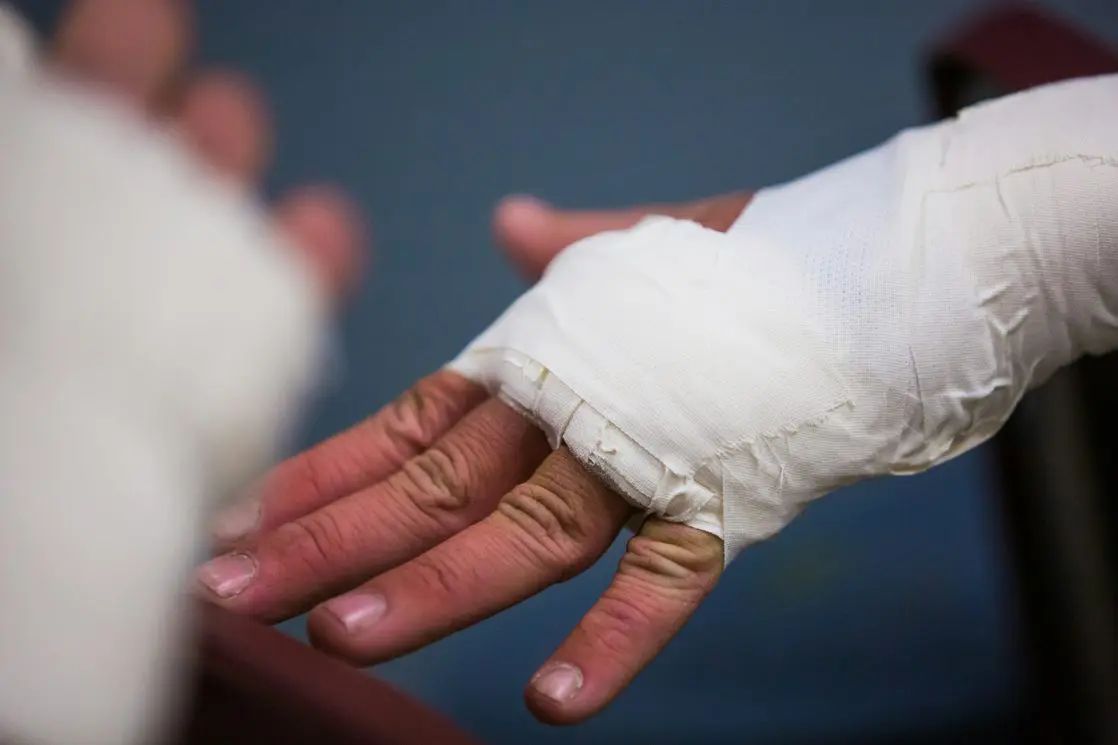
Chronic Wounds in Caregiving – What to Watch For
You’re not expected to treat the wound. You’re expected to notice it – daily, consistently, and with enough detail that the people who do treat it can act on what you’ve seen.

You’re not expected to treat the wound. You’re expected to notice it – daily, consistently, and with enough detail that the people who do treat it can act on what you’ve seen.

Check out our 3 wonderful Father’s Day activities that seniors can enjoy with their loved ones. Whether it’s spending quality time outdoors or exploring shared interests, these activities are sure to make the day special.

Cognitive changes, unfamiliarity with devices, sensory limitations, and the disorientation that emergencies bring can all make technology harder to access exactly when it’s needed most.
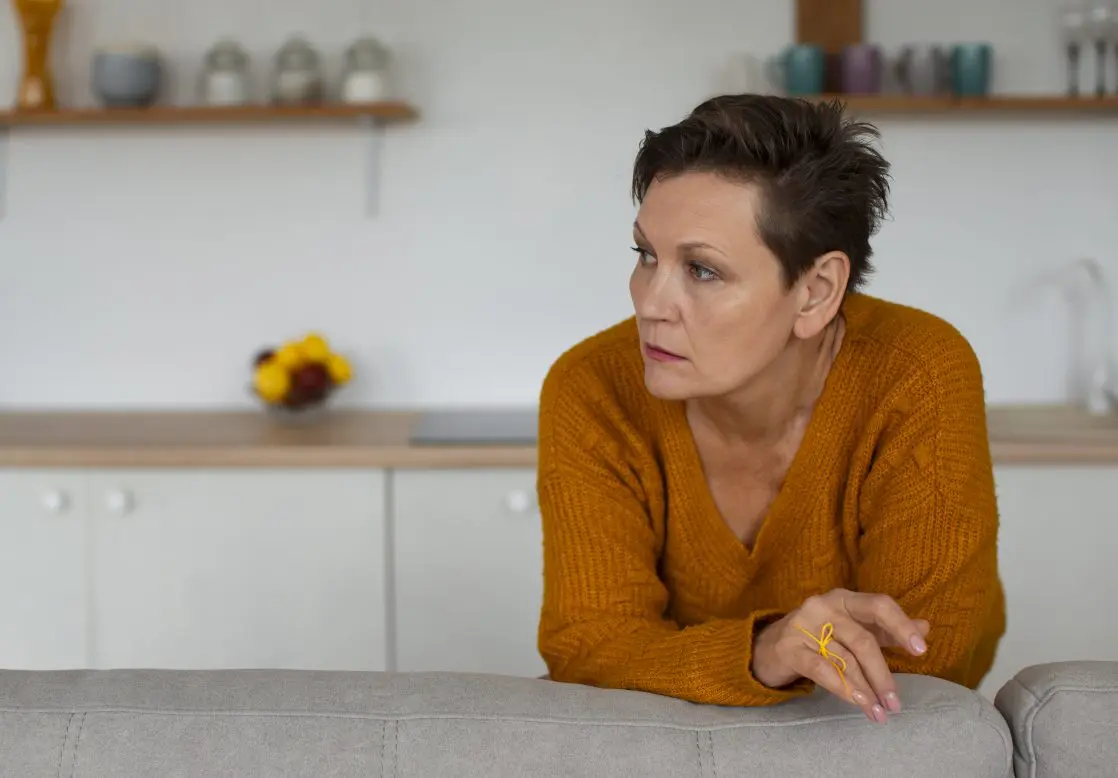
There’s a particular kind of loneliness that comes with being an only child caring for an aging parent. If this is your reality, you’re not alone in the experience.
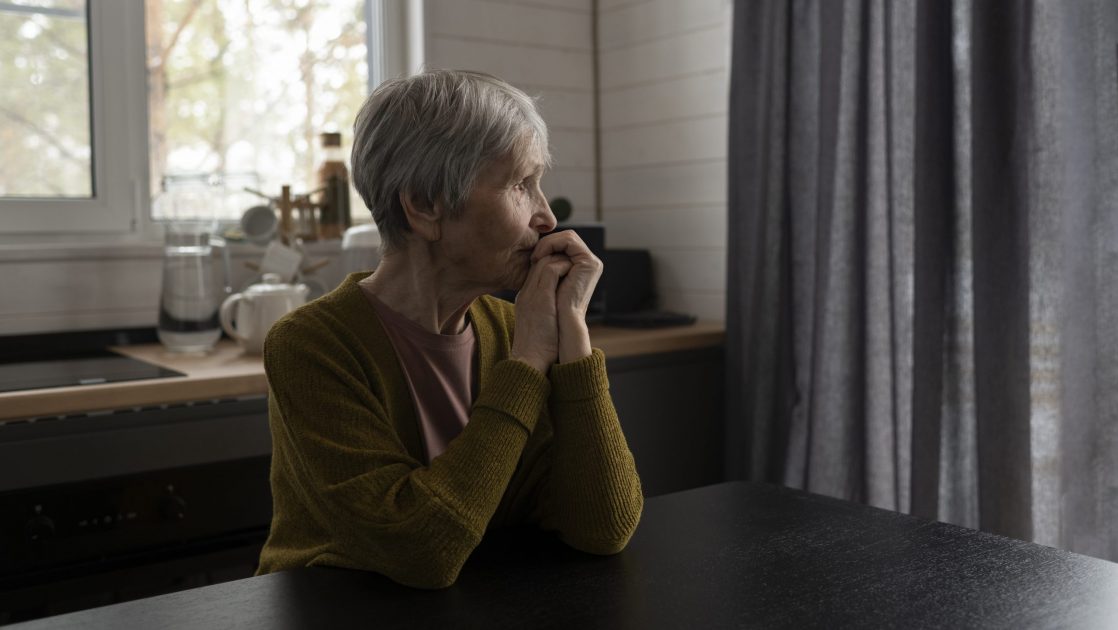
Understanding sundowning is your first step toward managing it difficult episodes of sundowning. For exhausted caregivers, that matters enormously.

Spring’s arrival should feel like relief — but for many Canadian seniors, the shift from winter brings unexpected challenges that can affect health, safety, and daily routines. Here’s how to prepare.
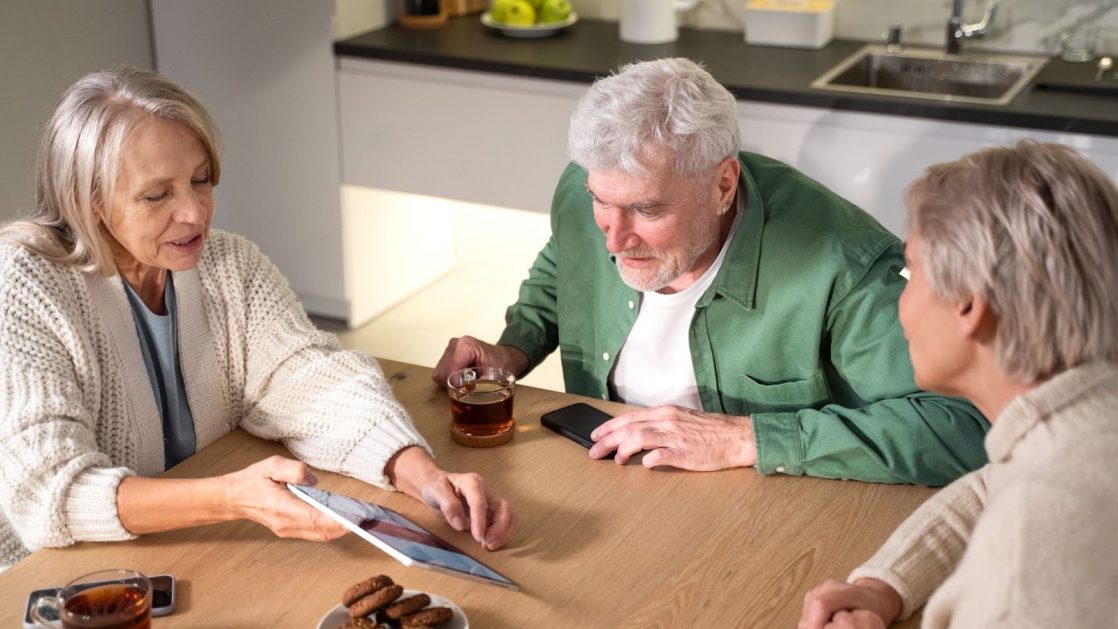
Most aging-in-place programs follow a familiar pattern: agencies send staff into buildings, deliver services to seniors, and leave. The NORC Ambassadors program flips this model entirely – putting older adults themselves in charge of creating the communities they need to thrive.

After the lights come down and family gatherings end, many seniors experience a noticeable emotional crash. Post-holiday depression is common – especially for older adults dealing with loneliness, chronic illness, or dementia. Families can play a powerful role in spotting early signs and helping seniors transition back into winter routines.
These seven practical resolutions help reduce burnout, strengthen family relationships, and create a more manageable caregiving routine in 2026.

Part 2 of “The 3.6 Million Male Caregivers Canada Forgot.” In Part 1, we looked at the invisible crisis facing 3.6 million male caregivers in Canada—men who are isolated, overwhelmed, and navigating support systems that weren’t designed for them. Now, let’s talk about solutions.