Death Doulas and End-of-Life Planning
Death doulas complement hospice rather than replace it. They can begin working with families at any stage of the dying process – whether immediately following a diagnosis or even years before death is imminent.

Death doulas complement hospice rather than replace it. They can begin working with families at any stage of the dying process – whether immediately following a diagnosis or even years before death is imminent.

Part 2 of “The 3.6 Million Male Caregivers Canada Forgot.” In Part 1, we looked at the invisible crisis facing 3.6 million male caregivers in Canada—men who are isolated, overwhelmed, and navigating support systems that weren’t designed for them. Now, let’s talk about solutions.

As Movember reminds us to focus on men’s health – mental health, suicide prevention, prostate and testicular cancer- we need to add male caregiving to that conversation. Because the silence around male caregivers isn’t just an oversight. It’s contributing to a mental health crisis hiding in plain sight.

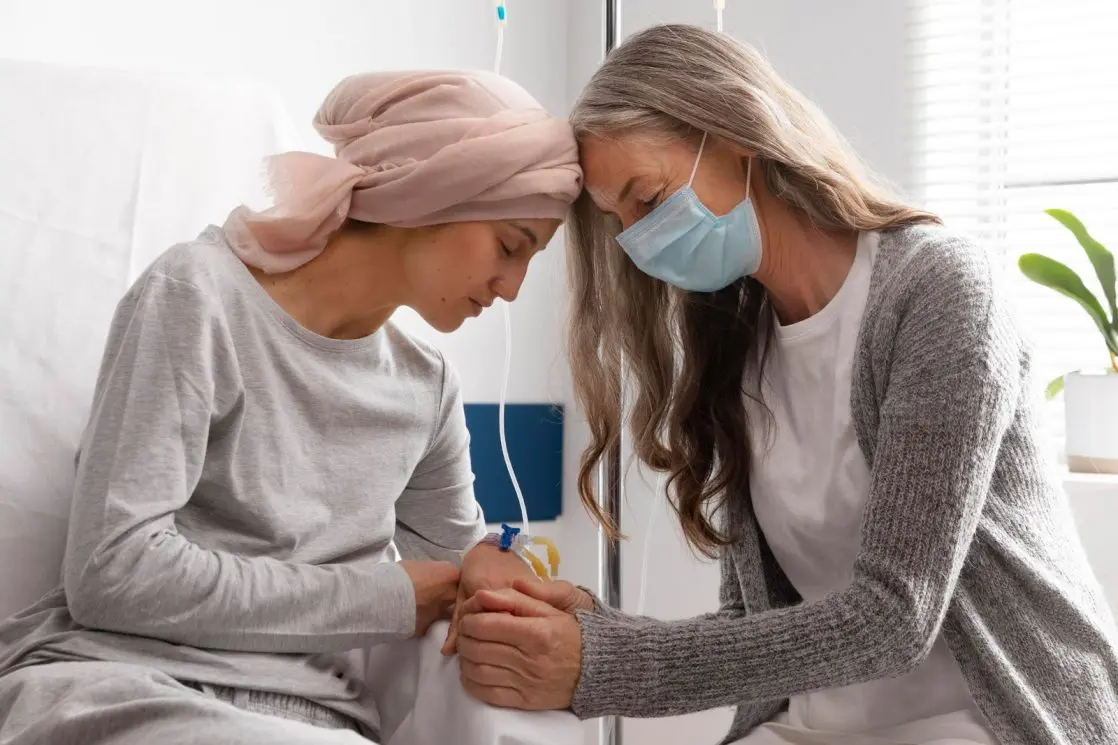
Ovarian cancer is a significant health concern in Canada, with approximately 3,000 women expected to be diagnosed with ovarian cancer in 2025, and less than half of them are expected to live more than 5 years. In Canada, the 5-year net survival rate for ovarian cancer is 44% (Canadian Cancer Society).

Ovarian cancer is a significant health concern in Canada, with approximately 3,000 women expected to be diagnosed with ovarian cancer in 2025, and less than half of them are expected to live more than 5 years. In Canada, the 5-year net survival rate for ovarian cancer is 44% (Canadian Cancer Society).

The future of senior care isn’t about choosing between cutting-edge technology and compassionate human connection—it’s about thoughtfully combining both. As our population ages and families become more geographically dispersed, the most effective senior care providers are discovering that innovation amplifies rather than replaces the human touch.

According to our AI advisor from 2075, traditional nursing homes have become relics of the past. The transformation began after what they call the “demographic crisis of the 2030s,” when nearly 30% of Canadians were over 65. Instead of moving seniors into isolated facilities, communities have been completely reimagined.

You’ve read the advice. You’ve tried the gentle conversations, the logical explanations about safety, the carefully worded suggestions. But what happens when your aging parent or client remains fiercely resistant to care?

In honor of International Women’s Day 2025, we celebrate the extraordinary women caregivers whose unwavering dedication transforms lives every day. From historical pioneers who revolutionized healthcare to the countless unnamed heroes providing care in homes across the world, these women embody strength, resilience, and profound compassion. These International Women’s Day caregivers exemplify the compassionate spirit that we recognize each year on this important occasion.

Eldercare planning 2025 is becoming increasingly crucial. Healthcare and support services are rapidly evolving. Also, new benefits and programs for seniors emerge regularly. Families need a comprehensive approach to care planning. Although navigating these options can feel overwhelming, this guide will help you focus on the most important areas.