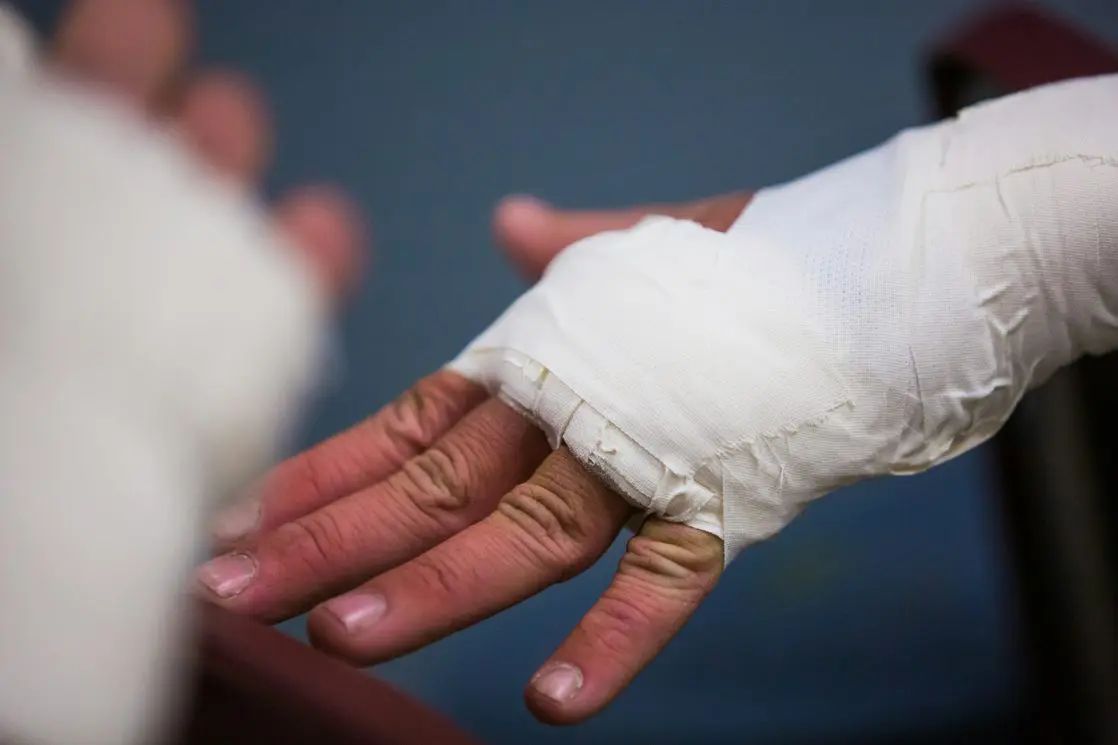
Chronic Wounds in Caregiving – What to Watch For
You’re not expected to treat the wound. You’re expected to notice it – daily, consistently, and with enough detail that the people who do treat it can act on what you’ve seen.

You’re not expected to treat the wound. You’re expected to notice it – daily, consistently, and with enough detail that the people who do treat it can act on what you’ve seen.
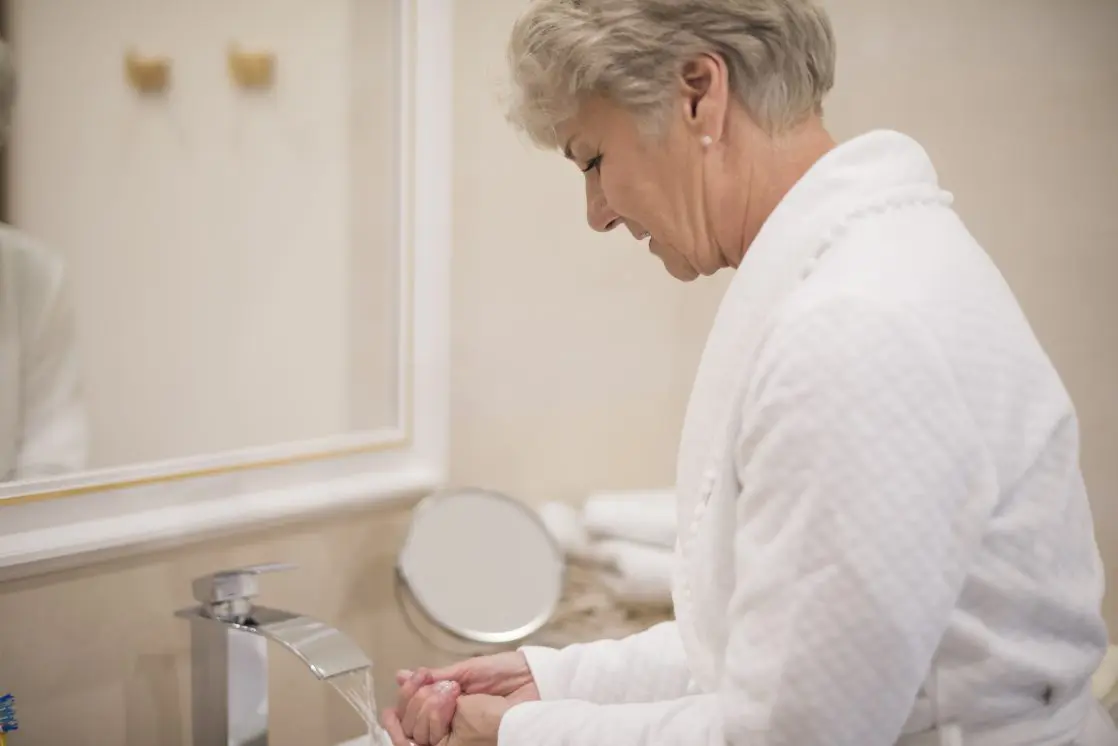
Water safety is a common topic this time of year. But when we talk about water safety in a caregiving context, we’re not usually talking about the pool.
Here’s how to think about water safety when you’re building or reviewing a care plan.

For many families, there is one person who quietly holds everything together.
They schedule appointments, manage medications, prepare meals, coordinate care, and provide emotional support. They are the primary family caregiver – the person everyone relies on.
But what happens when that caregiver gets sick?

Check out our 3 wonderful Father’s Day activities that seniors can enjoy with their loved ones. Whether it’s spending quality time outdoors or exploring shared interests, these activities are sure to make the day special.

After the lights come down and family gatherings end, many seniors experience a noticeable emotional crash. Post-holiday depression is common – especially for older adults dealing with loneliness, chronic illness, or dementia. Families can play a powerful role in spotting early signs and helping seniors transition back into winter routines.
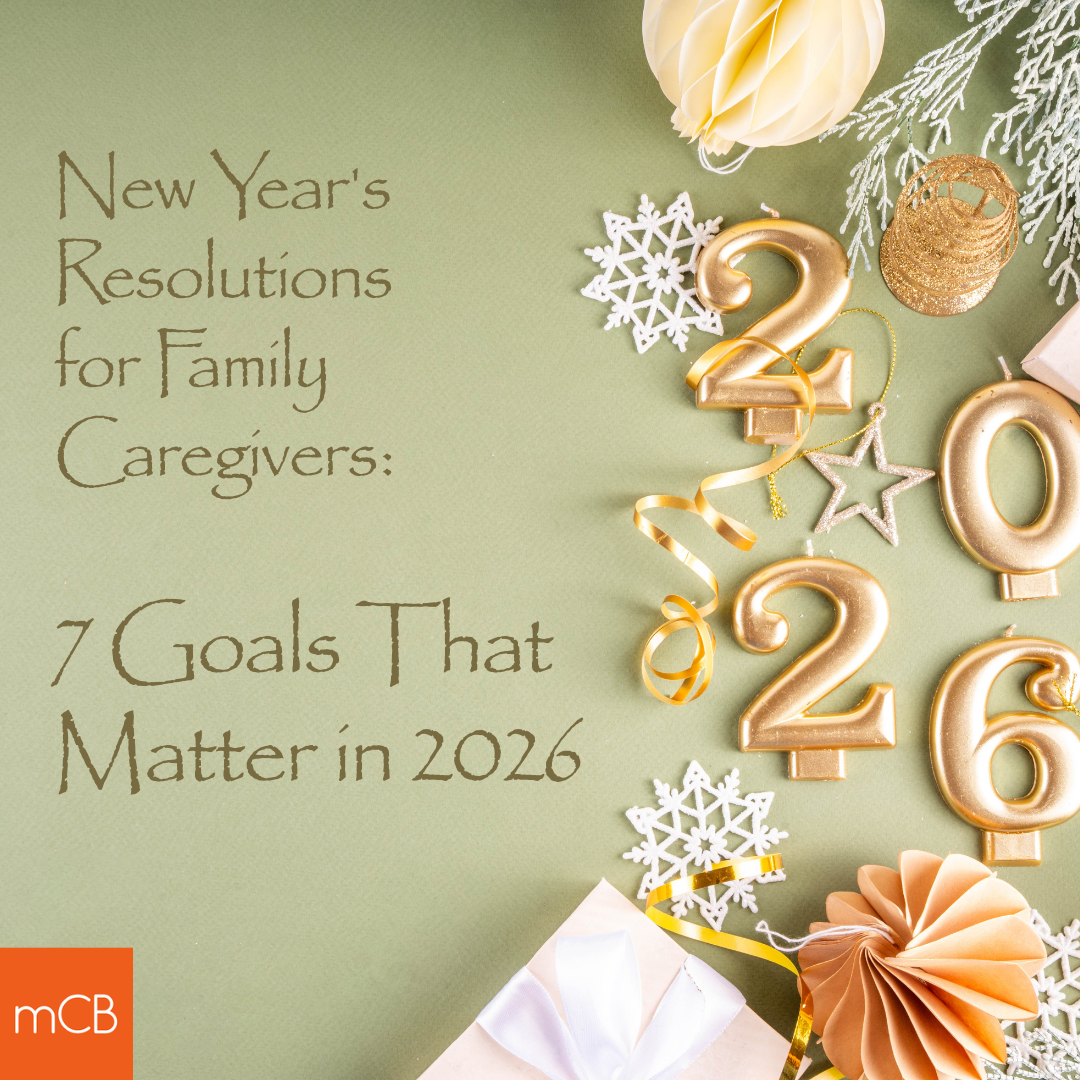
These seven practical resolutions help reduce burnout, strengthen family relationships, and create a more manageable caregiving routine in 2026.
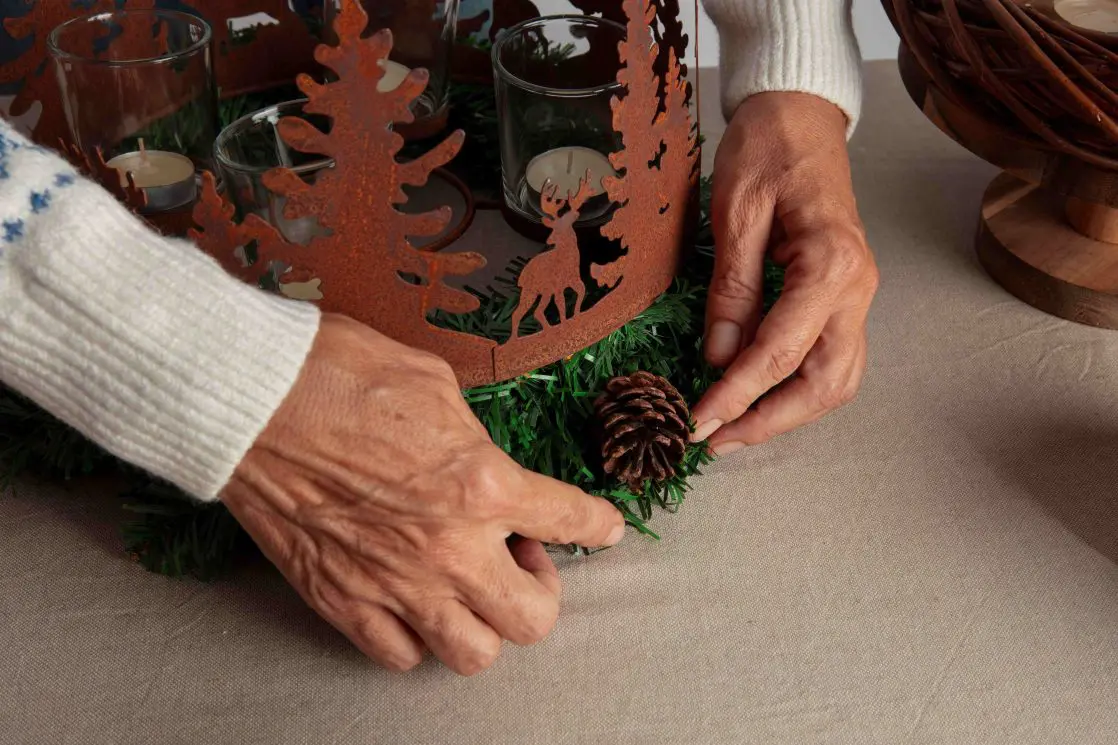
The holiday season offers wonderful opportunities for companions to create meaningful moments with the seniors in their care. Whether you’re a professional caregiver, family member, or friend, these festive activities can bring warmth, connection, and joy to the season while accommodating various mobility levels and interests.

Death doulas complement hospice rather than replace it. They can begin working with families at any stage of the dying process – whether immediately following a diagnosis or even years before death is imminent.

Part 2 of “The 3.6 Million Male Caregivers Canada Forgot.” In Part 1, we looked at the invisible crisis facing 3.6 million male caregivers in Canada—men who are isolated, overwhelmed, and navigating support systems that weren’t designed for them. Now, let’s talk about solutions.

As Movember reminds us to focus on men’s health – mental health, suicide prevention, prostate and testicular cancer- we need to add male caregiving to that conversation. Because the silence around male caregivers isn’t just an oversight. It’s contributing to a mental health crisis hiding in plain sight.